


 *Field Required



REACH YOUR GOALS
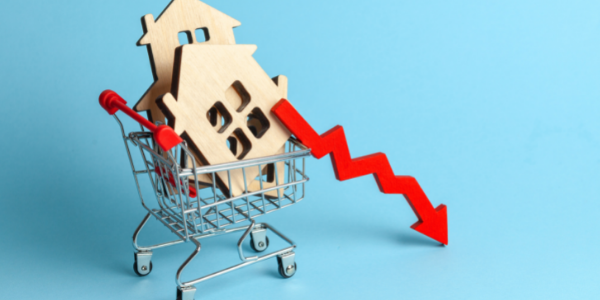
Could Buying a New Home Actually Cost Less?
Aerial view of a new residential development with completed brick and siding homes alongside under-construction properties.


Aerial view of a new residential development with completed brick and siding homes alongside under-construction properties.
Inflation continues to dominate this month's media headlines and contribute to consumer stress. More Americans are using their savings to pay for groceries and utility bills, while others are postponing essential spending like medical and dental care. In addition, the Federal Reserve announced a rise in baseline interest rates. But the news wasn't all bad: the NFL season officially began September 9th, a day earlier than usual.
Even though 2026 holiday travel will probably be expensive, especially if fuel prices remain high, it's not impossible to find affordable options. Your best strategy is to begin researching your trip early, especially if you're flying to your destination. This enables you to compare pricing for different airlines and hotels without having to book in a hurry, and to book what you really want.
As this year's super El Niño climate pattern continues to affect global temperatures, climate change is becoming a common topic with homeowners — especially those taking a long-term view of where they settle. This is because some areas may eventually see higher insurance rates and falling home values if climate change adversely affects them. Budget-conscious consumers concerned with current everyday pricing may want to scroll down to the article with tips for reducing grocery bills.
Qualifying for a mortgage can feel more complicated for small-business owners and self-employed individuals. Many mortgage lenders rely on tax returns to verify self-employed income, but these documents don’t always reflect the earnings of business owners, freelancers, or independent contractors.
No matter where you live, your home needs seasonal maintenance to continue to look its best. This will also help prevent future repair bills — and some can be more expensive than you realize. Here are a few maintenance tasks you won't want to overlook.
If you spent more time watching the World Cup competition than reviewing your finances, you're not alone. Millions here and around the world began tuning into Cup matches last month, with the final game scheduled for July 19th. It was a welcome diversion from worries about inflation, although the annual inflation rate slowed to 3.5% in June, down from May's 4.2%.
For real estate investors looking to scale their portfolios, navigating traditional mortgage qualifications can be a significant roadblock. Standard underwriting methods often require extensive income documentation, tax returns, and debt-to-income calculations that may not reflect an investor’s true financial picture—especially if they own multiple properties or operate under a business entity.
Qualifying for first-time homebuyer programs may not be as hard as you think. These programs are designed to help qualified first-time homebuyers like you overcome common hurdles when buying a home. Those hurdles, of course, include saving for a down payment and the closing costs.
If you could use some assistance as a first-time homebuyer, this article is for you.
Down payments can be one of the most daunting parts of the homebuying process. We all know that buying a home costs money! Thankfully, you don’t necessarily have to drain your savings account to come up with the sum. There are other ways to secure a down payment, including gift funds, grants, and down payment assistance programs.
One of the biggest hurdles for many first-time homebuyers is getting that down payment together. We understand, especially if you’re trying to scrape together 20% of a home’s purchase price (insert large gulp here).
If stress has you feeling like work/life balance is out of reach, you're not alone — recent surveys show 50% of Americans deal with daily stress, often tied to finances, health, and job security. The good news: a few personal guidelines can go a long way. Start by answering these questions.
As annual inflation rose to 4.2%, consumers busied themselves with new ways to manage money and lifestyles. For those needing assistance with healthcare costs, solutions like Direct Primary Care are becoming more popular. Others are attempting to increase their income by event-based betting within the global prediction market. And while some shoppers are charging everyday purchases, current credit card debt levels aren't as high as in past decades.
For generations, the American dream was often defined by independence. Adult children moved out on their own, parents remained in the family home until retirement, and grandparents lived separately, often in different cities or states. Today that picture is changing.
Buying a new home is exciting. Selling your current home can be exciting, too. Doing both at the same time? That’s where things can start to feel complicated.
Whether you’re moving up to accommodate a growing family, downsizing for retirement, relocating for work, or simply ready for a new chapter, buying and selling a home simultaneously often requires careful planning, clear communication, and the right financing strategy.
Almost 60% of Gen Z Americans are planning to move this year and will need to create a starter budget. They're not alone; some Millennials and Gen Xers are still operating without one.
There are a few really important numbers when it’s time to obtain a home loan: your credit score, the amount you want to borrow, and the interest rate. The news is full of talk about interest rates lately. Will they go up? Will they go down? Will they stay down? When they go up, how far will they go?
Summer's just around the corner, but as the Iran conflict continues to affect fuel prices, more would-be vacationers are canceling plans for road trips and flights. This has contributed to consumer sentiment numbers sinking to a new low, with lower-income families hit especially hard. Rising inflation numbers have also introduced new challenges.